Articole Tehnice
Diferenta dintre Fier Forjat si Otel Obisnuit
WeldyArt Admin
05 October 2025
7 min citire
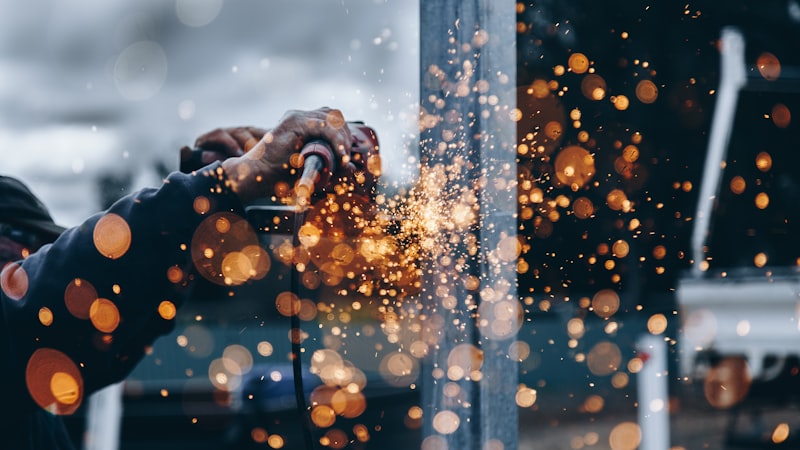
Multi clienti confunda fierul forjat cu otelul. Desi ambele sunt aliaje pe baza de fier, proprietatile si aplicatiile lor difera semnificativ. Acest articol clarifica diferentele tehnice si practice.
Una dintre cele mai frecvente confuzii in domeniul confectiilor metalice este intre fierul forjat si otelul. Clientii solicita adesea o poarta din fier forjat cand de fapt se refera la o poarta de otel cu elemente decorative. Sa clarificam diferentele.
## Ce este Fierul Forjat?
Fierul forjat (wrought iron in engleza) este un aliaj de fier cu un continut foarte scazut de carbon (sub 0,08%) si incluziuni de zgura silicioasa care ii confera o structura fibroasa caracteristica. Acest material era produs traditional in forjele manuale si era principalul metal structural pana la aparitia otelului industrial in secolul XIX.
Astazi, fierul forjat autentic nu se mai produce industrial. Ceea ce numim fier forjat in limbajul curent se refera de fapt la otel moale (low carbon steel) prelucrat prin tehnici de forjare artistica: incalzire la rosu si modelare pe nicovala sau cu ciocane pneumatice.
## Ce este Otelul?
Otelul este un aliaj de fier cu carbon (0,1-2,1%) si alte elemente de aliere. Otelurile cele mai comune in constructii metalice sunt S235 si S275, numite asa dupa limita lor de curgere in MPa. Otelul este produs industrial in profile standardizate: tevi, platbande, corniere, profile I, H si U.
## Diferente Practice
Din punct de vedere practic, diferenta principala consta in modul de prelucrare. Elementele din fier forjat sunt modelate individual, la cald, de catre un meserias calificat. Fiecare piesa este unica. Elementele din otel sunt taiate, indoite si sudate folosind utilaje moderne, permitand o productivitate mai mare si costuri mai reduse.
## Cand sa Alegi Fiecare
Alege tehnica forjarii artistice cand doresti: elemente decorative complexe cu forme organice, un aspect clasic si traditional, piese unicat cu caracter artizanal. Alege otelul prelucrat mecanic cand doresti: un design modern si geometric, costuri optimizate, termene de executie mai scurte si reproductibilitate exacta a pieselor.
## Combinatia Ideala
In practica, cele mai reussite proiecte combina ambele tehnici: structura de baza din otel prelucrat mecanic (pentru rigiditate si cost) cu elemente decorative forjate artistic (pentru caracter si unicitate). Aceasta abordare ofera cel mai bun raport calitate-pret si un rezultat vizual spectaculos.