1
Provocare
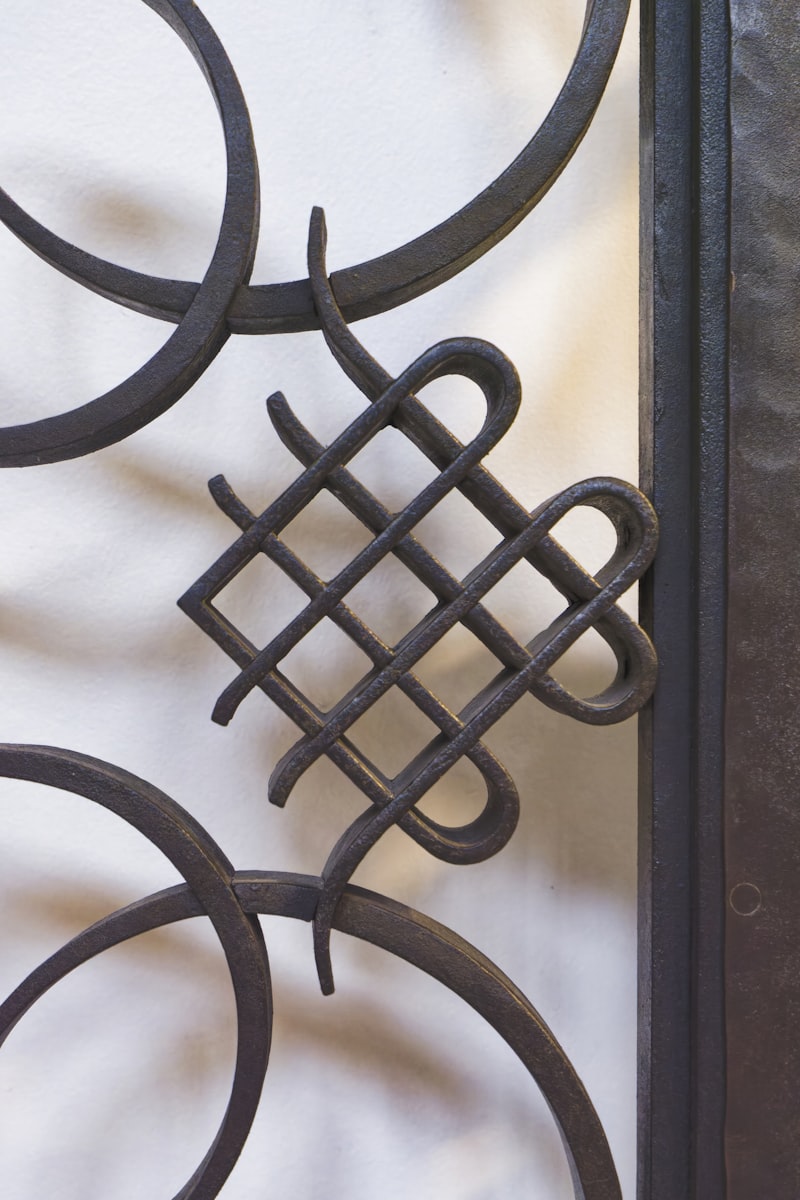
The Boutique Hotel Athenee in central Bucharest required complete restoration of interior railings across 3 levels and the monumental main staircase. Works had to be executed without disrupting hotel operations and in strict compliance with DCCPCN heritage building requirements.
2
Solutie
We first performed a 3D scan of the deteriorated existing railings to document every ornamental detail. Based on the scan, we digitally reconstructed the original motifs and fabricated the elements in our workshop, numbering them for rapid on-site assembly. Installation works were carried out exclusively between 22:00 and 06:00 to avoid disturbing guests.
3
Rezultat
The restoration received commendation from the DCCPCN committee for the fidelity of the reconstruction and quality of execution. The hotel operated without interruption throughout the works, and management confirmed that no guest reported any discomfort. The project was nominated for national restoration awards.
The Boutique Hotel Athenee, housed in an 1890 building in central Bucharest, is a remarkable example of neoclassical architecture. The original wrought iron railings, produced in Viennese workshops of the era, had suffered significant degradation over their 130-plus years of existence.
The first step was detailed documentation of the existing condition through 3D scanning with 0.5mm precision. We identified 23 distinct types of decorative elements: scrolls, acanthus leaves, rosettes, garlands and balusters with varying profiles. Of these, 40% were irreversibly damaged and required reconstruction.
Element reconstruction was carried out through hot forging using adapted traditional techniques. We fabricated tool steel dies for repetitive elements and hand-forged unique pieces. Each reconstructed element was compared against the 3D scan for fidelity verification, with maximum deviations of 3mm accepted.
On-site installation involved sequential removal of deteriorated sections, cleaning and treating the supporting structure, fitting new elements and restoring the finish through manual patination. The entire assembly was protected with a three-component paint system: reactive primer, epoxy intermediate coat and polyurethane topcoat with metallic pigments to recreate the bronze patina.