Projects
From Idea to Installation: A Project Story
WeldyArt Admin
05 November 2025
6 min read
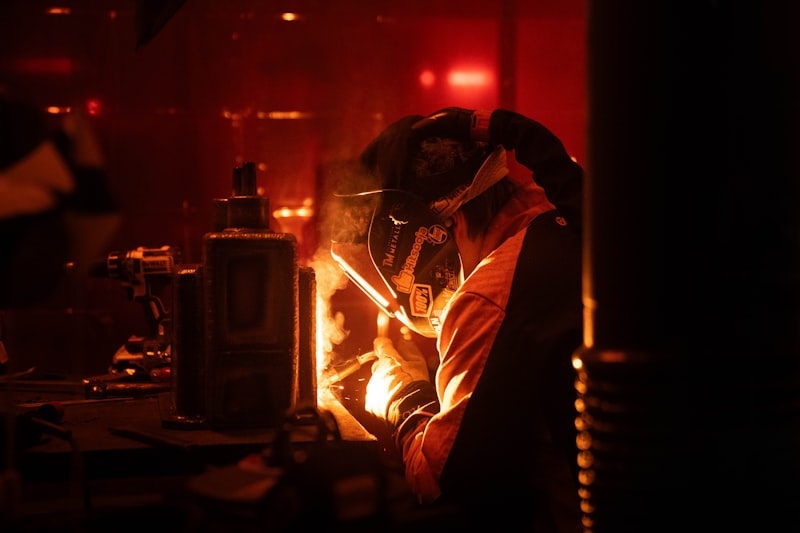
How does a sketch on a napkin become a perfectly installed 500kg gate? I invite you behind the scenes of our workshop to discover every stage of the creation process.
Many clients are curious to know what happens after they leave us with a sketch or description of their desired project. In this article, we follow step by step the transformation of an idea into metal reality, using the example of a recent project: a double residential gate with forged elements.
## Stage 1: Initial Consultation
Everything begins with a conversation. Our client, a young couple from Bucharest, knew they wanted an imposing gate but did not have a clear design vision. We spent an hour together, discussing the style of their house, aesthetic preferences, available budget and functional requirements. We left with opening measurements and several reference photographs found together online.
## Stage 2: Design and Approval
Within 5 working days, we presented two design options: a classic variant with forged scrolls and leaves, and a contemporary one with geometric lines and laser-cut panels. The client chose the classic variant but requested simplification of some elements to reduce cost. After two rounds of adjustments, the final design was approved along with the price quote.
## Stage 3: Procurement and Preparation
We ordered the necessary materials: 280kg of steel in various profiles, 40kg of round bar for forging and the automation components. In parallel, we prepared working templates and established the sequence of operations.
## Stage 4: Workshop Fabrication
This is the longest stage, lasting 12 days. The first 3 days were dedicated to hot forging of decorative elements: each leaf and scroll was individually shaped. The next 5 days were for cutting, assembly and welding of the frames. The final 4 days covered grinding, priming and electrostatic powder coating.
## Stage 5: On-Site Installation
Installation took 2 days. Day one: mounting the support posts and guide rail, hanging the leaves on hinges and adjusting the geometry. Day two: installing the automation motor, electrical connections, programming remote controls and complete system testing.
## Stage 6: Handover
On handover day, we checked every detail together with the client: leaf alignment, paint quality, automation functionality, sensor safety and overall appearance. The client signed the acceptance certificate with a broad smile, and we left with the satisfaction of a job well done.